

Energy KPIs to Track in 2026 to Manage All Energy Sources
In 2026, energy performance is no longer limited to electricity. Industrial, tertiary, and real estate companies must manage a complex multi-energy ecosystem integrating electricity, gas, water, steam, compressed air, renewable production, and thermal conditions.
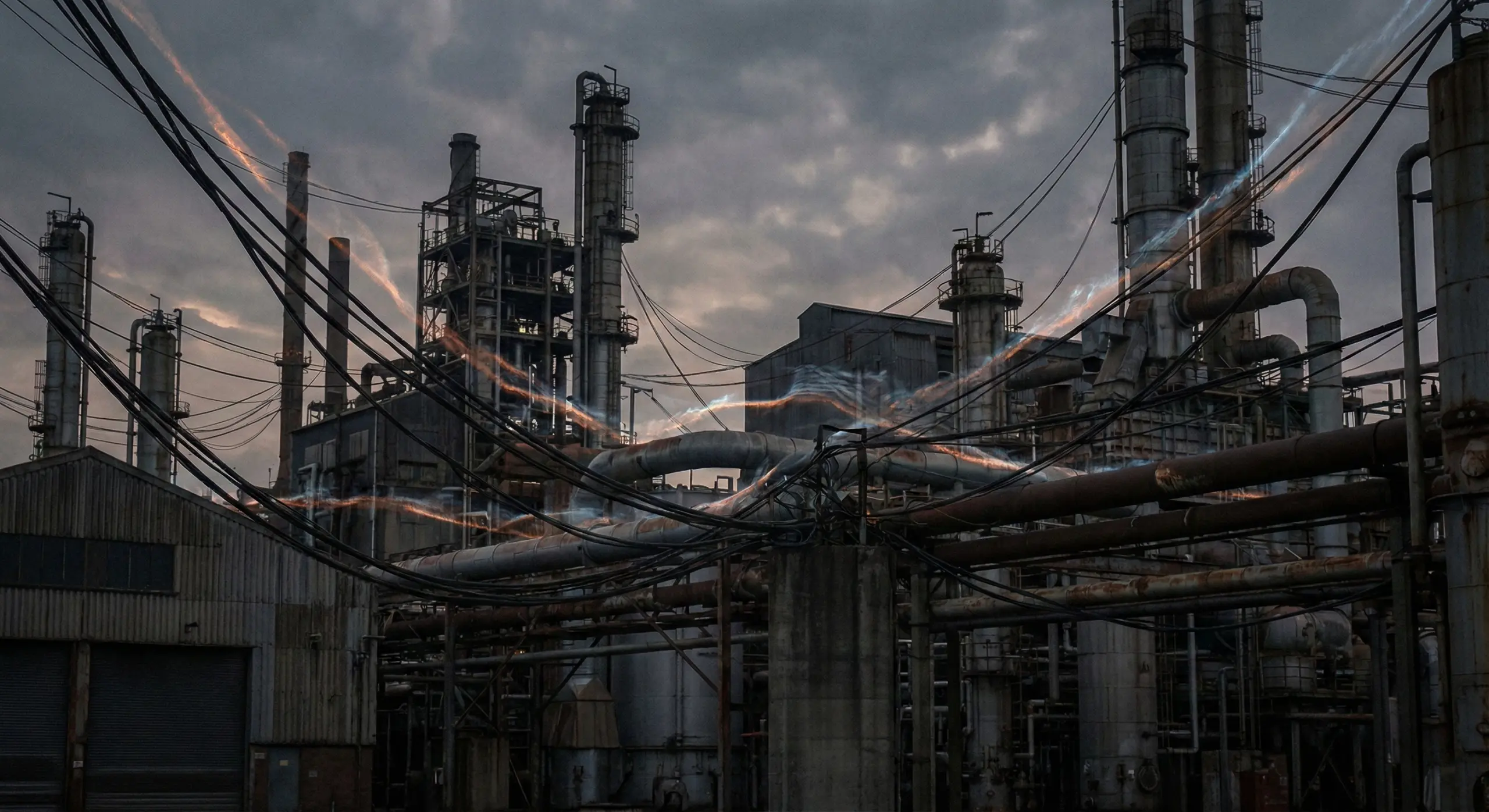
Summary – Multi-energy management becomes strategic
Technological Transformation
IoT sensors, smart meters, and probes generate massive volumes of real-time data that must be structured around clear and comparable KPIs.
Evolving Challenges
Energy becomes a factor of competitiveness, compliance, and environmental performance. Linking kWh, m³, degrees, euros, and CO₂ in the same system.
Cross-cutting KPIs
Normalized consumption, total cost, drift rate - calculated automatically, updated continuously, and compared to internal or sector references.
Visualize Multi-Energy Performance
Discover how to transform your field measurements into fast and measurable decisions with Wattnow's energy intelligence.
Unified dashboard • Multi-energy • Artificial intelligence
Table 1 – Key Energy KPIs for Electricity
In industry, these KPIs reveal power peaks linked to unmanaged startups. In commercial buildings, they often highlight significant consumption outside occupancy hours.
| Electricity KPI | Description | Operational objective |
|---|---|---|
| Electricity consumption (kWh) | Overall and per usage tracking | Identify dominant areas |
| Electrical intensity (kWh/unit or m²) | Normalized consumption | Compare sites and periods |
| Electricity cost (€) | Actual electricity expenditure | Manage budgets and contracts |
| Electricity drift rate (%) | Deviation vs expected profile | Detect anomalies |
| Maximum power (kW) | Consumption peaks | Reduce penalties and subscriptions |
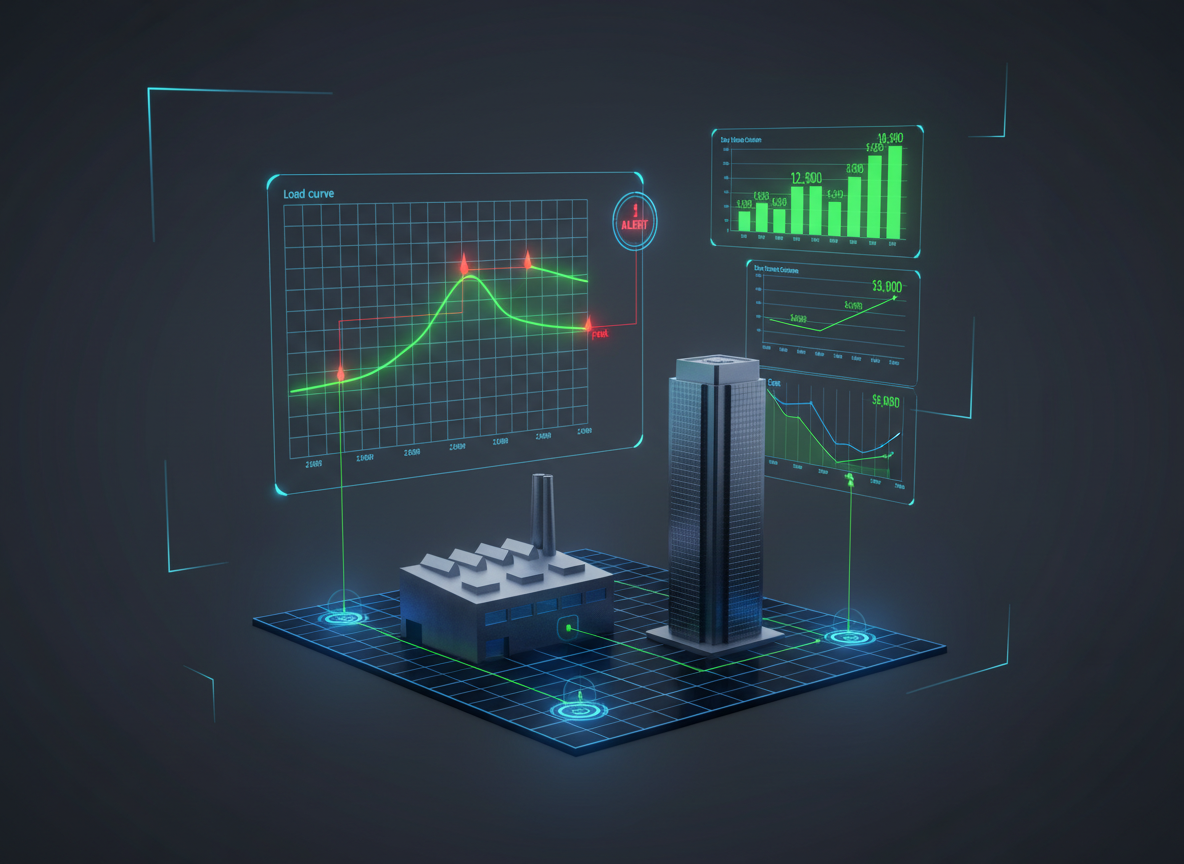
Intelligent Electricity Dashboard
Real-time visualization of all electrical KPIs on a single interface enabling fast and informed decision-making.
Table 2 – Energy KPIs for Gas and Thermal Energy
In 2026, climate normalization (HDD/CDD) becomes essential to avoid biased analyses, especially in gas-heated buildings.
| Gas/Thermal KPI | Description | Value added |
|---|---|---|
| Gas consumption (m³ or kWh) | Heating or process tracking | Identify overconsumption |
| Thermal efficiency (%) | Useful energy / consumed energy | Optimize boilers |
| Thermal cost (€) | Gas-related expenditure | Prioritize investments |
| Normalized consumption | Adjusted for HDD/CDD | Year-to-year comparison |
| CO₂ emissions (tCO₂e) | Gas carbon impact | Regulatory reporting |
Table 3 – Energy KPIs for Water
Water is still too often overlooked in energy strategies, yet it's directly linked to operational and environmental performance.
| Water KPI | Description | Strategic use |
|---|---|---|
| Water consumption (m³) | Overall and per zone tracking | Leak detection |
| Water intensity | m³ / production unit | Process efficiency |
| Water cost (€) | Actual bill | Reduce charges |
| Nighttime consumption | Water usage outside activity | Network anomalies |
| Water/energy ratio | Water-energy correlation | Global optimization |
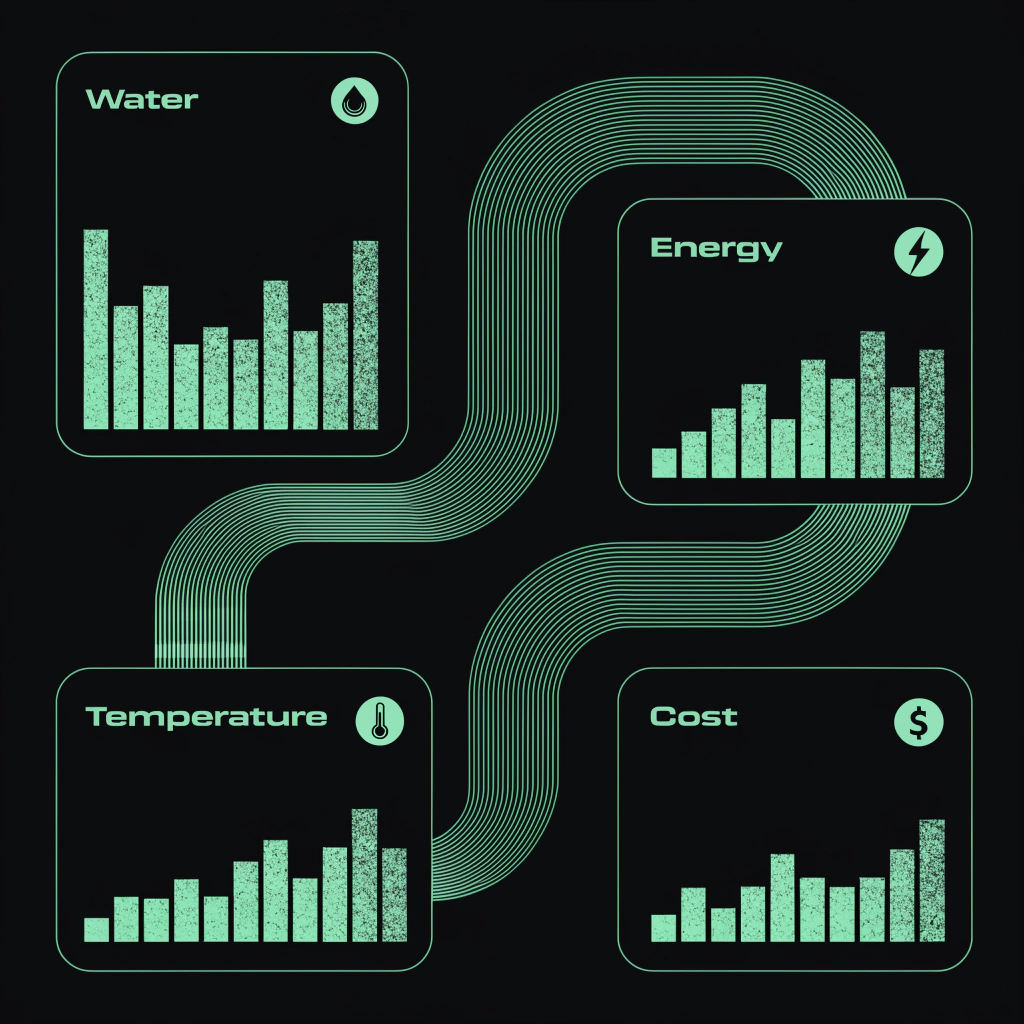
Water-Energy Correlations
In industry, water overconsumption is often a symptom of broader energy dysfunction. Our platform reveals these invisible links.
Table 4 – KPIs from Temperature Sensors
Temperature data becomes full-fledged KPIs when correlated with energy.
| Temperature KPI | Description | Impact |
|---|---|---|
| Average temperature (°C) | Per zone or building | Comfort & efficiency |
| Setpoint deviation | Difference actual / target | HVAC drift detection |
| Hours out of range | Non-compliant time | Operation quality |
| Energy per degree | kWh / °C | Thermal performance |
| Comfort vs consumption | Multi-KPI correlation | Comfort/cost tradeoff |
The Wattnow Platform: Centralize All Your Utilities
Beyond electricity, water, and gas, Wattnow integrates all other essential industrial utilities for complete and unified energy management.
Centralize All KPIs in a Single Platform
The real challenge isn't defining KPIs, but making them work together. In 2026, managing energy means having a platform capable of consolidating electricity, gas, water, and temperature data into a single interface.
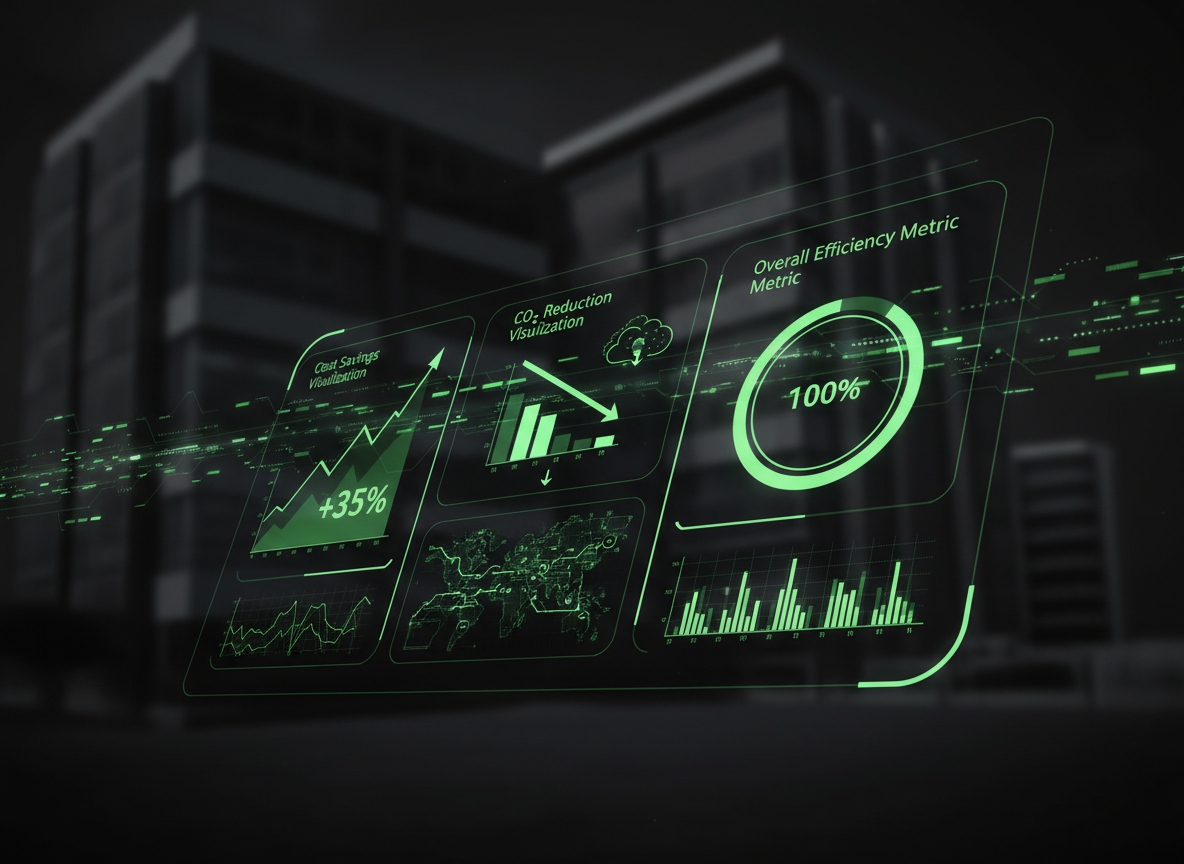
Continuous Strategic Management
A multi-energy management system enables cross-referencing indicators, visualizing invisible correlations, and prioritizing actions with the greatest impact.
Complete Integration
Connect all your equipment and systems into a single platform: electricity, gas, water, temperature, renewable production.
Intelligent Analysis
AI automatically detects anomalies, predicts consumption, and recommends the most relevant optimization actions.
FAQ – Multi-Energy KPIs in 2026
Conclusion
Visualize All Your Energy KPIs in a Single Platform
If you want to visualize all your energy KPIs all-in-one, correlate electricity, gas, water, and temperature data, and move from simple monitoring to intelligent management:
👉 Discover how to transform your multi-energy data into concrete, measurable, and sustainable decisions
