

How Can the Pharmaceutical Industry Preserve Quality While Reducing Energy Costs?
Discover how to reduce your energy consumption by 20-50% while maintaining the strict quality standards of the pharmaceutical industry. Concrete solutions for HVAC, compressed air, pumps, and lighting.

Summary – Energy Efficiency as a Strategic Solution
Environmental Impact
Hospitals represent 5% of global GHG emissions. The pharma industry emits 55% more CO₂ than the automotive industry per million dollars generated.
Potential Savings
Reducing consumption by 20% can generate up to $2.4M in annual savings per site (Source NNE). Energy-efficient technologies enable up to 50% reduction.
Industry Commitments
80% of large biopharma companies have carbon neutrality goals (Source ABPI). Pfizer aims for neutrality by 2030, Novartis by 2025 for its operations.
The Problem: Colossal Energy Consumption
The healthcare industry is one of the most energy-intensive sectors in the world. Without action, the sector's carbon footprint is expected to triple by 2050.
| Key Statistics | Value | Source |
|---|---|---|
| Hospital Emissions | 5% of global GHG emissions | European Commission via Pharmaceutical Technology |
| Hospital Consumption | 2.5x more than commercial buildings | Healthcare Design Magazine |
| Pharma CO₂ Intensity | 48.55 tCO₂e per $M (55% > automotive) | Health Care Without Harm Europe |
| Temperature/Humidity Control | 20-30% of energy consumption | Journal of Hospital Infection Control via Energy Manager Today |
| 2050 Projection | Carbon footprint tripled | Health Care Without Harm Europe |
Change is Possible – Time to Act
Reducing energy consumption by 20% can generate up to $2.4 million in annual savings (Source NNE). Energy-efficient technologies enable reductions of up to 50% (Source UK Centre for Process Innovation).
4 Key Areas to Reduce Costs
Optimize your most energy-intensive systems while maintaining strict pharmaceutical quality standards.
1. HVAC Systems
Critical points:
• Detailed performance audit
• 24/7 monitoring with sensors
• Frequency drives on fans
• Automated management systems
Impact: 20-30% of consumption
2. Compressed Air
Pharma challenges:
• Filtration for contamination control
• Use in risk zones
• Least energy-efficient systems
Solutions:
• Usage moderation
• High-efficiency compressors
3. Pumps & Fluids
Issues:
• Highly energy-intensive process
• Frequent oversizing
• Energy cost > initial cost
Approach:
• In-depth engineering analysis
• Priority to energy costs
4. Lighting
Optimizations:
• Low-power density LEDs
• Targeted task lighting
• Intelligent control systems
• Presence/absence detection
+ Continuous manufacturing: -80% emissions
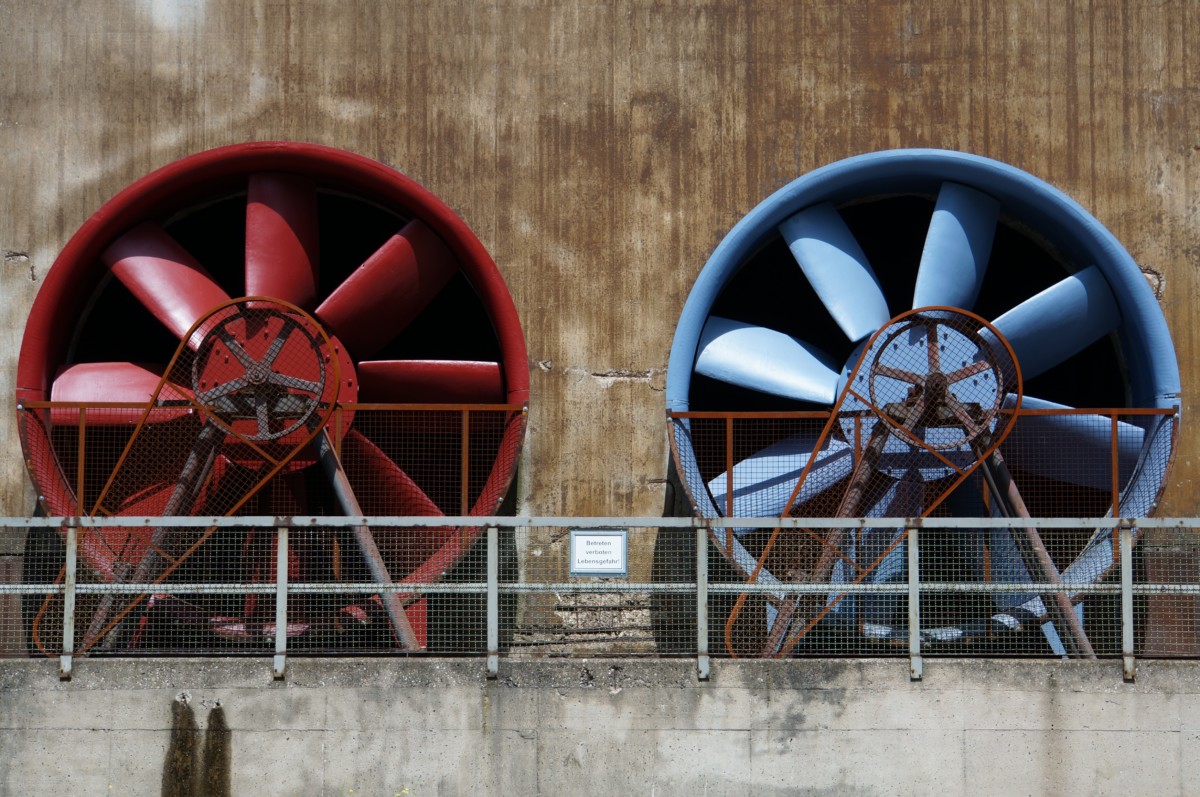
HVAC: The Energy Heart of Pharma Sites
Heating, ventilation, and air conditioning systems represent 20-30% of energy consumption. Continuous monitoring and installation of frequency drives can generate substantial savings while maintaining critical environmental conditions.
Carbon Commitments of Pharmaceutical Giants
The largest pharmaceutical companies are leading the way with ambitious carbon neutrality goals.
Johnson & Johnson
Goals:
• 100% renewable electricity by 2025
• Carbon neutral operations by 2030
• Net-zero emissions value chain by 2045
View J&J commitments →
MSD (Merck)
Commitments:
• Carbon neutral operations by 2025
• -30% value chain emissions by 2030
• Science-based data approach
View MSD strategy →
Pfizer
Strategy:
• Carbon neutral by 2030
• -46% direct emissions
• 100% renewable electricity
• Solar operations North America by end 2023
View Pfizer plan →

Sanofi: The Continuous Manufacturing Example
In 2019, Sanofi inaugurated a continuous manufacturing plant in Massachusetts generating 80% fewer emissions than the previous facility. Continuous manufacturing combines multiple production steps into one uninterrupted line, optimizing energy while maintaining quality. Learn more about Sanofi →
Tailored Solutions for the Pharmaceutical Industry
Discover how Wattnow's specialized solutions can help you achieve your energy efficiency goals.
Energy Management Software
Advanced monitoring and analytics platform specifically designed for pharmaceutical facilities. Real-time tracking of all energy flows with pharmaceutical-specific KPIs.
Explore our software →
Smart Monitoring Solutions
IoT-enabled smart meters and sensors for continuous monitoring of HVAC, compressed air, and critical pharmaceutical systems with GMP compliance.
Discover smart meters →
Pharmaceutical Specialization
Deep expertise in pharmaceutical manufacturing processes, clean rooms, and regulatory requirements specific to the healthcare industry.
Pharma solutions →
FAQ – Pharmaceutical Energy Efficiency
1. Regular training on best practices
2. Incentives for teams proposing improvements
3. Transparent communication on goals and results
4. Implementation of monitoring systems accessible to all
5. Integration of energy KPIs in operational objectives
• 24/7 HVAC Monitoring: Continuous surveillance of critical systems
• Compressed air optimization: Reduction of unnecessary consumption
• Intelligent lighting management: LED + automatic controls
• Predictive analytics: Early detection of deviations
• Regulatory reporting: Automation of GHG reports
• Guaranteed ROI: Measurable savings from first months
Discover our algorithms → | Our R&D → | Compliance solutions →
Conclusion
Optimize Your Pharmaceutical Energy Consumption
If you want to reduce your energy costs by 20-50% while maintaining strict pharmaceutical quality standards:
👉 Discover how to transform your energy data into concrete and sustainable savings
